The Art Of Porco Rosso, Howl’s Moving Castle, and Ponyo Book Reviews
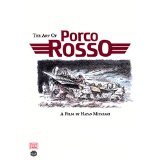
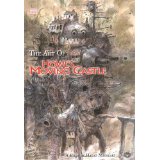
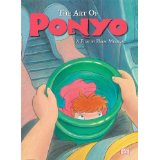
Fans of director Hayao Miyazaki will go gaga over “The Art of Ponyo,” “The Art of Howl’s Moving Castle,” and “The Art of Porco Rosso.”
Much like the previously reviewed “The Art of My Neighbor Totoro,” “The Art of Ponyo” (which is available in paperback and hardcover editions) contains character bios, dazzling watercolor concept art, art stills, storyboards, staff notes, final image frames, character breakdowns, scene breakdowns, and gorgeous hand drawn sketches of scenes, characters, and backgrounds. But wait, there’s more! Readers can also look forward to an introduction by Hayao Miyazaki, an intro about the production (courtesy of Studio Ghibli), the complete voice-over script by Miyazaki (translated in English of course), song lyrics for 3 tunes, and interviews with supervising animator Katsuya Kondo (who chats about watercolors, layouts, and how he became attached to the project), art director Noboru Yoshida (who discusses concept art and working with Miyazaki), chief color designer Michiyo Yasuda, and director of digital imaging Atsushi Okui.
In the pantheon of Miyazaki’s directorial credits, “Ponyo” doesn’t nearly get the attention it deserves. It’s a truly magical take on the iconic “The Little Mermaid” story and it also just happened to be one of my personal favorite films of 2009 (going by the U.S. release date here). So, as you can probably imagine, pouring over this book put a big old grin on my face from start to finish. From the insight into Studio Ghibli’s filmmaking process to the frame by frame breakdown of the stormy car chase sequence, this book is positively invaluable to anyone with an interest in animation and Miyazaki.
If you’re aching for more “The Art of” Miyazaki film books, you’ll be happy to know that ‘The Art of Howl’s Moving Castle” has also been released by Viz. This particular book tells the story of the film via storyboards, concept sketches (in various stages of completion), character sketches, still frames that range in size, staff notes, and character bios of everyone from Turnip Head to Howl. The book also includes poster art, the English translation of Hayao Miyazaki’s complete screenplay and a wide range of interviews with supervising animator Takeshi Inamura, art directors Yoji Takeshige and Noboru Yoshida, supervising animator Akihiko Yamashita, color design director Michiyo Yasuda, director of digita animation Mitsunori Kataama, director of digital imaging Atsushi Okui, supervising animator Kitaro Kosaka, background artist Kazuo Oga, and harmony process supervisor Noriko Takaya.
While learning about the crew members’ jobs and seeing the film laid out in various pieces is rewarding to see for any Miyazaki fan, I found myself more drawn to the technical aspects provided here. Not only do fans get a breakdown of how certain elaborate CGI creations were made (such as the massive castle), but we also get to learn about art terms such as harmony, fitting, path map, and morphing. It was highly educational to say the least.
Speaking of art, this book really makes you appreciate the artistry of Miyazaki’s work as well as his vivid imagination. There’s no question that “Howl’s Moving Castle” is his most grandiose and ambitious project and it shows in the breathtaking castle and vehicle sketches and the inspired and detailed background art for streets, the Hatter hat shop, buildings, sweeping hills, towering mountains, and cluttered castle rooms.
Last, but not least, there is “The Art of Porco Rosso” book (which is arguably Miyazaki’s most underrated film). Unlike the ‘Ponyo’ and ‘Castle’ art books, ‘Porco’ has a much different structure in that is divided into 7 chapters and features much more content and text. Among the goodies you will find in these pages are beautiful 2 page still frames, character bios, the seaplanes featured in the film (as well as the history of the vehicles they are based off of), location and background art, reproductions of the illustrations at the end of the film (including a few that didn’t make the final cut), posters, the screenplay accompanied by storyboards, character sketches, concept sketches, still frames, a few behind-the-scenes B&W photos, and the concept story.
The real highlight of the book, however, is the full B&W English translation of “The Age of the Flying Boat” illustrated short story that “Porco Rosso” (AKA “The Crimson Pig”) is based on. As an added bonus, readers also get to see a part of ‘Boat’ in color and in Japanese.
Of the three books reviewed here, ‘Porco’ is arguably the best of the lot. Not only is the book more organized, but there’s also more to pour through here. It’s more than just a mere retelling of the film.
Overall Thoughts: On the eve of a wide U.S. release of Miyazaki’s latest (and possibly last film) “The Wind Rises,” it seems only fitting to be reviewing these 3 finely crafted film art books. If you are an inspiring animator, illustrator, filmmaker or just love the work of Hayao Miyazaki, you should seek out these ‘The Art of” books. You’ll be glad you did.
No comments yet.
Share This Blog

 Robert Ham
 dmanderson
 Andrea
 nicklyons1
 DVD Corner
Leave a comment